Death of Digital Streaming Platforms (D.O.D.S.P)
There’s a shift happening that most people aren’t talking about yet. Artists are walking away from streaming platforms, not because they’re failing, but because they’ve built something stronger. A direct access to their people.
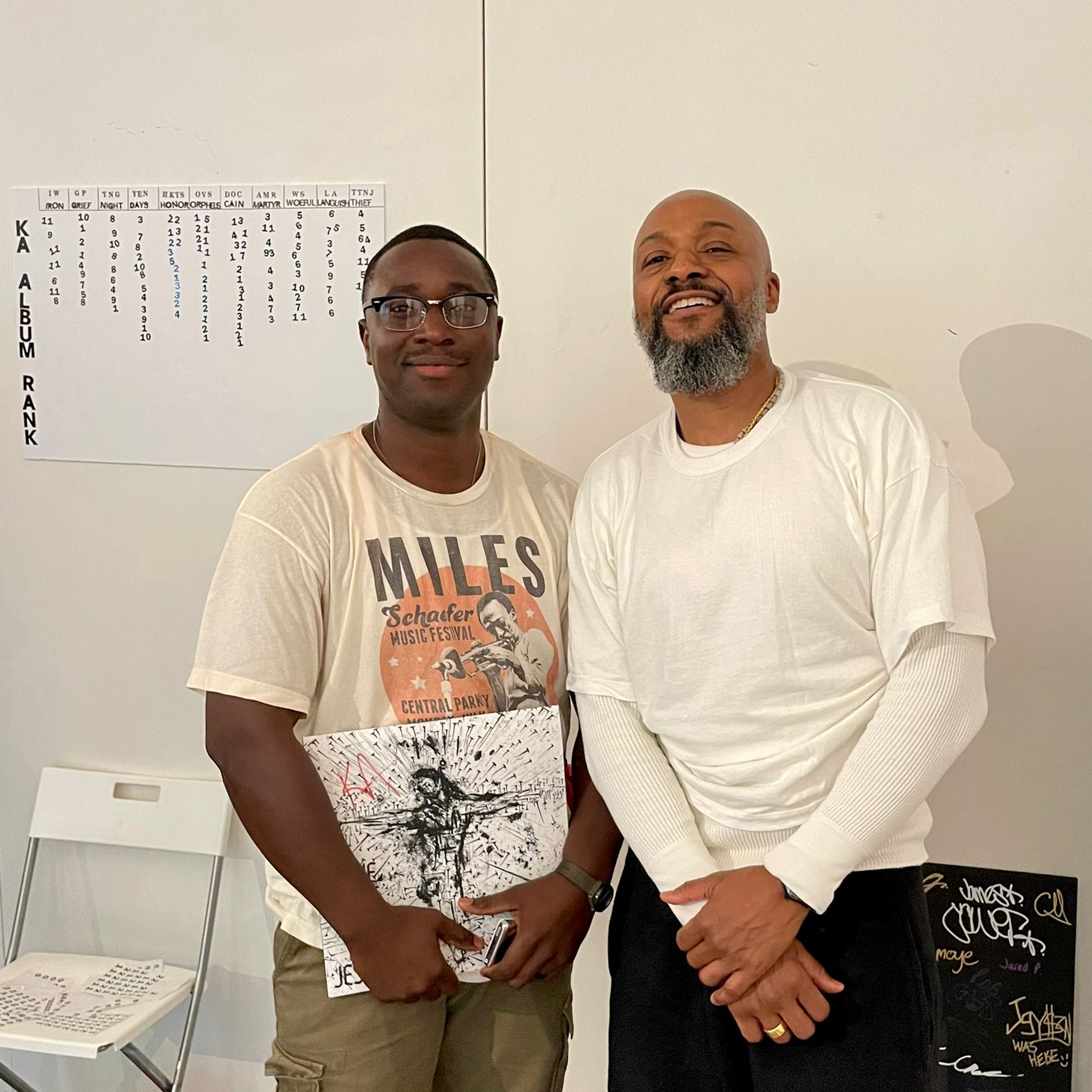
I first noticed it with Ka . A friend hit me up about Ka ’s new album. I rushed to Apple Music. Yo! It’s not there. I came back confused and he just laughed. “He dropped it on his own platform, man.” I was stuck between disappointed and impressed. Turned out I wasn’t the fan I thought I was. R.I.P Brownsville Ka.
That stuck with me, but I figured it was an outlier underground artist, niche approach or whatever. Then I noticed it with J. Cole. I mean, I was able to detect it because the move seemed familiar. 2014 Forest Hills Drive turned 10 years old in December 2024. That album sold 361,000 copies first week and crossed 3.45 million total. Instead of a standard anniversary reissue on DSPs, Cole dropped 8 unreleased tracks as Disc 2 exclusively on his platform.
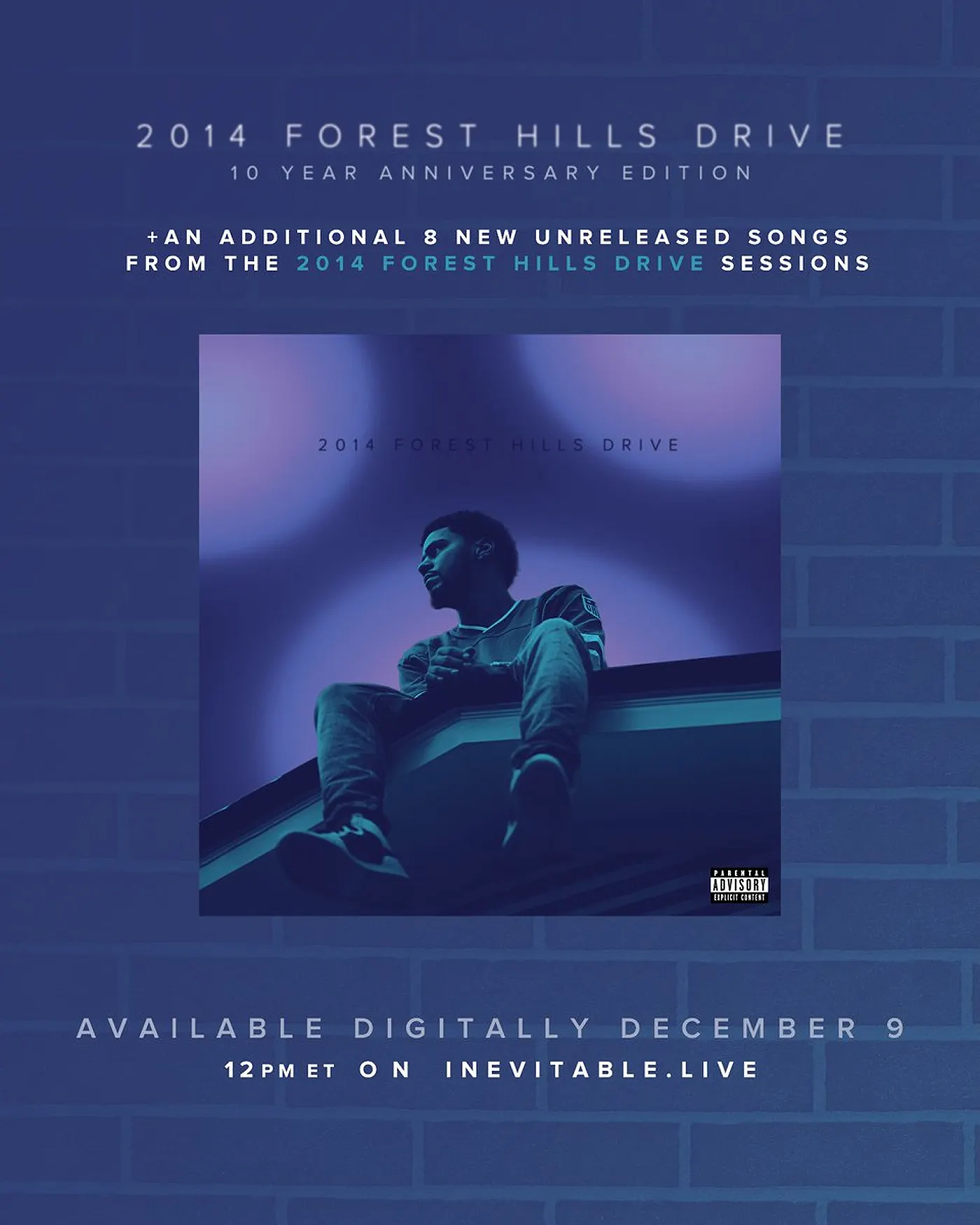
It didn’t stop there, he went ahead to sell tickets for 1 USD to attend and stream the Madison Square Garden event, also exclusively for people who bought the 10th anniversary version of 2014FHD . It felt different, owning rather than renting. Having access before everyone else. That feeling of being in and not just along for the ride.
Weeks later, 2014FHD hit DSPs. The exclusivity window closed, but the point was made. Control, not the version that stirred up the industry. On his last project, Might Delete Later, track 10 “3001,” Cole said it plainly:
Y’all ask Jigga, how much did the kid gross for that label? Paid dues, had to pay dude for my masters, but I’m grateful. Sh**t, business is business.
Business is business and Cole’s running his differently now.
On Cole’s 41st birthday, January 2026. He dropped a mixtape Birthday Blizzard ’26 and asked fans to pay whatever they wanted, minimum 1 USD. Still not on DSPs till date. Then came the announcement. The Fall-Off, the most anticipated album since Dr. Dre’s Detox in HipHop history, drops February 6, 2026 on his website, www.thefalloff.com with no major announcement on DSPs at least for now.
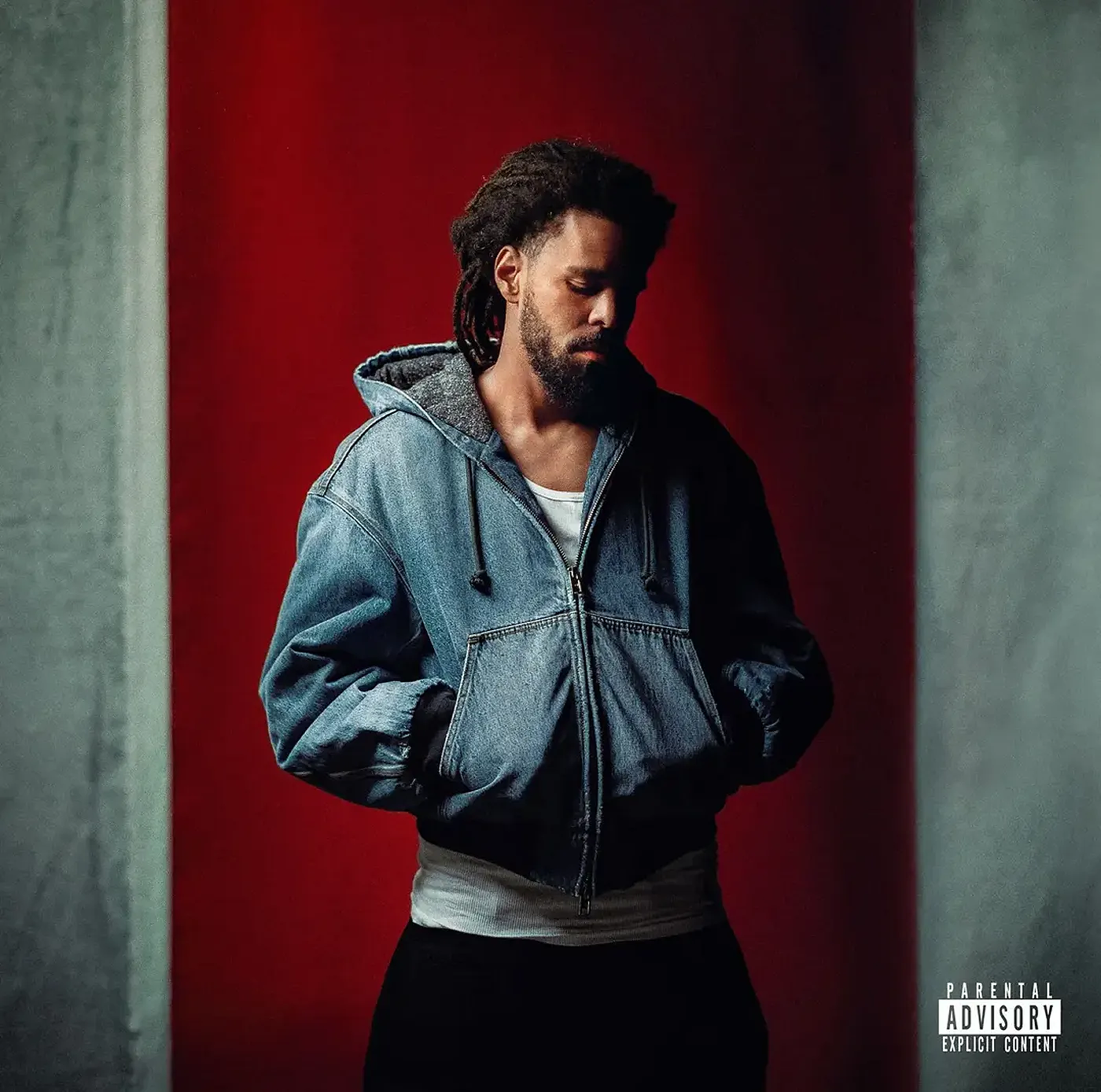
Cole’s sitting on 12.5 million followers on X, 8 million on Instagram. Yes, follows don’t always convert to sales, but he’s built a community that shows up. Both the birthday mixtape and the10th anniversary edition of 2014FHD proved it and he’s betting everything on us(his fanbase) to come through for The Fall-Off .
Now, here’s where it gets interesting. You’d think piracy would kill this model and honestly, piracy is real, over 17 billion visits to piracy sites in 2024. But here’s the thing: music piracy actually dropped 19% from 2023 to 2024. What’s changing isn’t whether streaming wins. It’s who controls the streaming.
Cole’s not worried about bootlegs. He’s been in the game and handled his business single-handedly. He’s betting on loyalty, on community, on the fact that real fans want to own, not rent. And if you’re part of that community, you’re not waiting for some pirate link, you’re copping it direct because it means something.
Meanwhile, other artists are making similar moves. Some pulled their entire catalogs from Spotify over low payouts. Kwesi Arthur is doing this with his latest release Redemption Vally . It’s not just a hip-hop thing anymore. It’s a pattern.
Now, the elephant in the room. What does this mean for DSPs like Spotify, Apple Music, YouTube Music and Tidal among others? Maybe Cole going direct doesn’t dent their numbers. But what if Drake follows? What if Kendrick, who just bagged 5 Grammys and passed Jay-Z, pulls the same move? What happens when the biggest artists realise they don’t need the middleman anymore?
And honestly, the bigger question isn’t just for the platforms. It’s for creatives and entrepreneurs watching this unfold. How are we thinking about gaining control of our art as creatives and exploring gaps as entrepreneurs?
Cole’s grossing millions on tour, selling direct to fans, keeping his masters and building a platform that bypasses the entire streaming infrastructure. That’s not just music business, that’s a blueprint.
So while you’re waiting for The Fall-Off , which drops in a couple of days depending on when you’re reading this piece, if you’re paying attention, think about what’s really happening here. Artists are taking control, platforms are becoming optional and ownership is starting to matter more than access.
The Fall-Off Season is here and it’s not just about music.